Effective and Safe Water Disinfection Methods in Egypt
Do you think water disinfection methods are complicated, or even something you can skip altogether? Before anything else, you should know that water usually contains a large amount of impurities and sediment that make it cloudy and unfit to drink, which is exactly why so many people are looking for effective ways to disinfect their water.
You can rely on Green Life, one of the leading specialized companies in this field. We offer modern, standardized solutions and install the latest filtration equipment, so with us you can benefit from fair prices and advanced services.
Why Water Disinfection Matters for Human Health
There are many reasons to look into water disinfection methods, and we will go through them in detail below:
Effects on Human Health
Protecting your health and avoiding diseases that can be transmitted through undisinfected water is essential, since water can contain organic matter, arsenic, chlorine, fluoride and other substances that have a serious impact on health.
Purifying it also means getting water with a genuinely good taste and smell, which in turn has a positive effect on the quality of cooked food and juices, and it is beneficial for skin and hair health as well.
Economic Impact
Did you know that disinfecting and filtering your water is also a smart economic decision, one whose benefits become clear over the long run? Filtration protects pipes, plumbing and taps from clogging caused by dust and fine sand, and also protects them from corrosion caused by excess minerals in the water.
Their service life becomes longer, sparing you from repeated maintenance and repairs, and from replacing parts of your infrastructure system.
It will also save you from having to buy bottled and packaged water, helping you avoid steep costs as well as the negative environmental impact of disposing of empty containers.
Common Sources of Water Pollution
In reality, water pollution results from many natural and human activities that negatively affect the quality, smell and taste of water, making it unfit for drinking or for various uses without treatment. Sources of water pollution can be classified into three main types:
Biological Pollution
This is considered one of the most dangerous types of water pollution, since it involves the presence of microorganisms in water that cause numerous diseases in humans and animals.
This type of pollution occurs when untreated sewage, human or animal waste, or organic waste reaches water sources such as rivers, lakes and wells.
These microorganisms include bacteria such as E. coli and Salmonella, which can cause diarrhea and food poisoning.
They also include viruses such as Hepatitis A and norovirus, as well as parasites such as Giardia and Cryptosporidium, which lead to severe intestinal disorders.
Chemical Pollution
This occurs when harmful chemicals enter water sources, whether through agricultural, industrial or household activity. Chemical pollution does not change the color or smell of water, which makes it harder to detect without laboratory testing. The most prominent sources of chemical pollution include:
Pesticides and herbicides leaching from farmland into rivers and groundwater, the heavy use of chemical fertilizers, which raises the concentration of nitrates and phosphates in water, and the discharge of industrial waste that may contain heavy metals such as lead, mercury and cadmium.
Oil and fuel leaking from factories or vehicles into bodies of water, along with the improper disposal of household detergents and chemicals.
Physical Pollution
This refers to the presence of solid materials or changes in the physical properties of water, such as turbidity, discoloration, or elevated temperature. This type does not directly cause disease, but it does affect water quality and reduces the efficiency of disinfection and treatment processes.
Sources of physical pollution include dust and sand from erosion or construction work, sediment and silt carried by rainwater and floods, solid waste such as plastic, paper and metal, and residue generated by mining or industrial activities.
Water Disinfection Methods in Egypt
Disinfection has become a necessity rather than a luxury, simply because it has become so accessible. The market now offers materials, techniques and specialized companies that manage the whole process from start to finish, at reasonable cost, with speed, trained technical staff, and solutions for the toughest cases. Here are the main water disinfection methods in detail:
Chlorine Disinfection
Most companies specializing in water disinfection put chlorine at the forefront, given its proven importance and its ability to achieve the desired result. For example:
- It preserves the purity and properties of water — you will no longer notice any change in its smell or taste.
- It leaves no environment suitable for algae growth or for bacteria and germs to multiply.
- It prevents sediment from building up inside pipes and plumbing.
Many disinfection cases can only be properly handled with chlorine. Its effect is powerful, and although the idea is an old one, it remains just as valid today, even with the emergence of more modern methods.
Ozone Water Disinfection
When should ozone be used to disinfect water? And how important is it to rely on it to get pure water, free of problems that damage health and the body’s systems?
- First, you can request it from the company you work with without hesitation, since it is an environmentally friendly gas with no negative effects or resulting damage.
- It purifies water and removes harmful substances from it.
- It has positive effects that will be clearly visible on the skin and its freshness.
Filters and Modern Purification Systems
These are among the most advanced and widely used water disinfection methods for obtaining pure water, since they remove impurities, pollutants and chemicals that can affect water quality and human health. They are considered essential in homes, commercial facilities and factories.
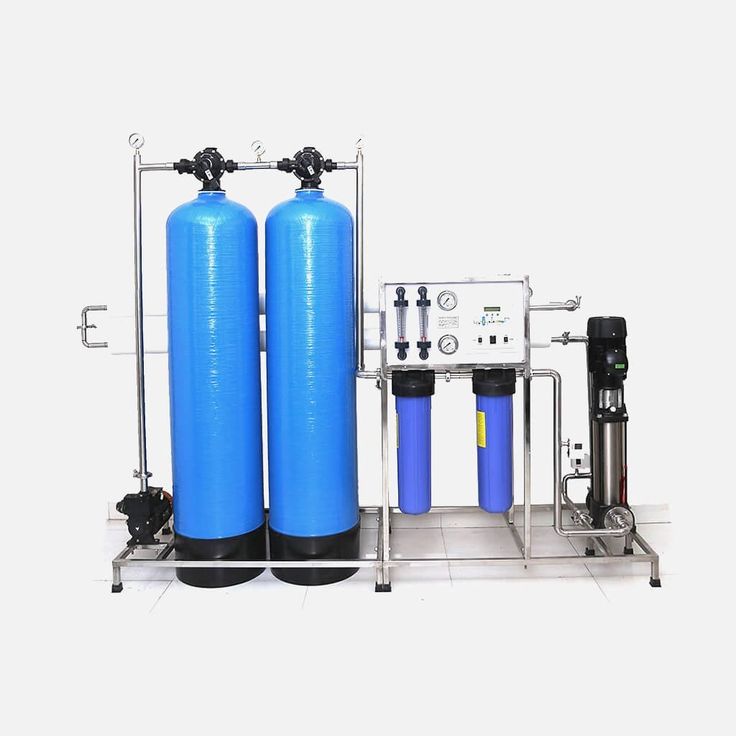
We provide a complete range of water purification systems, household and industrial filters, and water treatment and desalination plants, all designed according to the nature of the water and the needs of each client, to guarantee the highest purification efficiency and the best possible water quality.
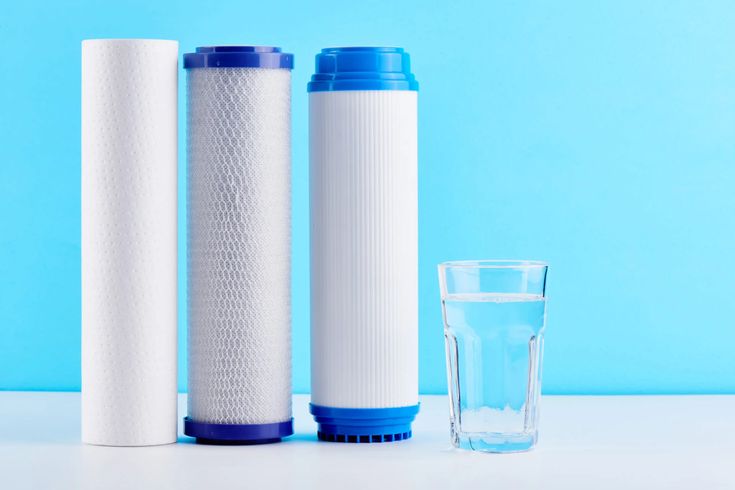
Activated carbon filters are among the most widely used filter types in water purification systems, relying on fine-pored carbon that absorbs impurities, organic matter and unwanted odors.
Activated carbon filters help remove unwanted odors and taste from water, excess chlorine used during disinfection, certain chemicals and organic compounds, and a share of fine impurities and sediment.
Reverse Osmosis (RO)
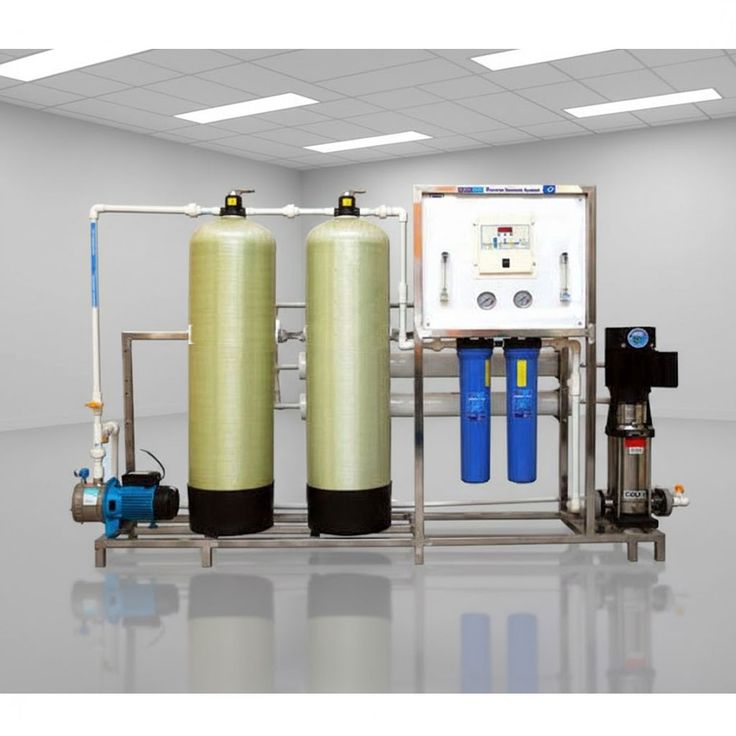
This is one of the most advanced water disinfection methods, widely used in homes, hospitals, factories and desalination plants. It relies on an ultra-fine membrane that allows only water molecules to pass through, while blocking most pollutants and harmful substances.
This system stands out for its ability to remove dissolved salts, heavy metals such as lead and mercury, bacteria and viruses, nitrates and chemical pollutants, as well as fine particles and turbidity.
Reverse osmosis is considered the ideal solution in areas suffering from high salinity or deteriorating water quality, since it provides pure, safe water for drinking and daily use.
Because choosing the right system depends on water quality and consumption rate, Green Life offers integrated solutions covering the design, installation and maintenance of reverse osmosis systems for homes, commercial facilities and industrial plants, using the latest technologies and the highest quality standards to ensure the best performance and the longest operational lifespan.
Solar Water Disinfection
This is one of the simplest water disinfection methods, based on exposing water inside transparent bottles to direct sunlight for 6 to 8 hours, during which ultraviolet rays combined with rising temperature reduce the number of disease-causing microorganisms.
This method stands out for being low-cost, requiring no electricity or equipment, and being suitable for remote areas or emergency situations.
However, solar disinfection does have certain limitations: it depends on the availability of sunlight, it does not remove salts, heavy metals or chemical pollutants, and it is not suitable for treating large quantities of water.
Therefore, if you need a permanent and reliable source of pure water, relying on professional water disinfection methods is the more efficient and sustainable choice.
We offer integrated water treatment solutions, from household filters and reverse osmosis units to desalination plants and water treatment stations designed to meet the needs of homes, businesses and factories, along with installation, maintenance and technical support services to guarantee the highest level of water quality over the long term.
Comparing Water Disinfection Methods
The table below gives you a detailed comparison of water disinfection methods in terms of cost and effectiveness:
| Method | Effectiveness | Cost |
| Boiling | High | Low |
| Chlorine | High | Low |
| Ultraviolet (UV) | High | Medium |
| Ozone | Very High | High |
| Solar Disinfection | Medium | Very Low |
| Reverse Osmosis | Very High | High |
Modern Filters and Purification Systems from Green Life
You can get the very best water disinfection methods available by relying on our company, which specializes in installing modern filters and advanced systems designed to give you pure water at all times and free you from water-related problems. What is the benefit of ordering a modern filter system installation from Green Life? Here is the answer:
- Access to the best systems available on the market.
- Working with specialized technical staff experienced in fast maintenance, repair and installation.
- Our company takes responsibility for any technical fault that appears after installation — we can replace it free of charge.
- Our prices are reasonable and competitive with other companies on the market.
- Our services keep expanding to reach as wide a segment of the community as possible.
- We answer all customer questions.
- High transparency and flexibility in how we deal with clients.
- Fast, cooperative customer service that answers your questions.
Frequently Asked Questions
What is the purpose of water purification?
To obtain water suitable for human use first and foremost, then for irrigation and agriculture, and to secure additional sources of fresh water given the decline in available resources in recent years and the rise in population density.
What is the safest way to purify water?
If you urgently need to purify water and have no modern technical solution on hand, you can heat it until it boils. This method kills all bacteria and germs, disinfecting the water and making it fit for human use.
What are the five chemicals used to disinfect water?
Chlorine, ozone, chlorine dioxide, iodine and bromine — but it is recommended that you work with a specialized company to apply them, so the quantity used is correct, with no excess or shortfall.
How long does chlorine stay in water?
Since chlorine is one of the most important and most common substances used to disinfect water, some people ask how long it should be left in the water. For this reason, a period of between 15 and 20 minutes is recommended, within the recommended dosage.
Thank you, dear reader, for reaching this point in our article on water disinfection methods. Don’t hesitate to request the installation of modern filters and purification systems to enjoy clean, pure water at all times, and feel free to follow our website for new topics that fully answer your questions. Contact us via WhatsApp to ask about any of our services.