Best Water Treatment Solutions for Farms and Agricultural Projects
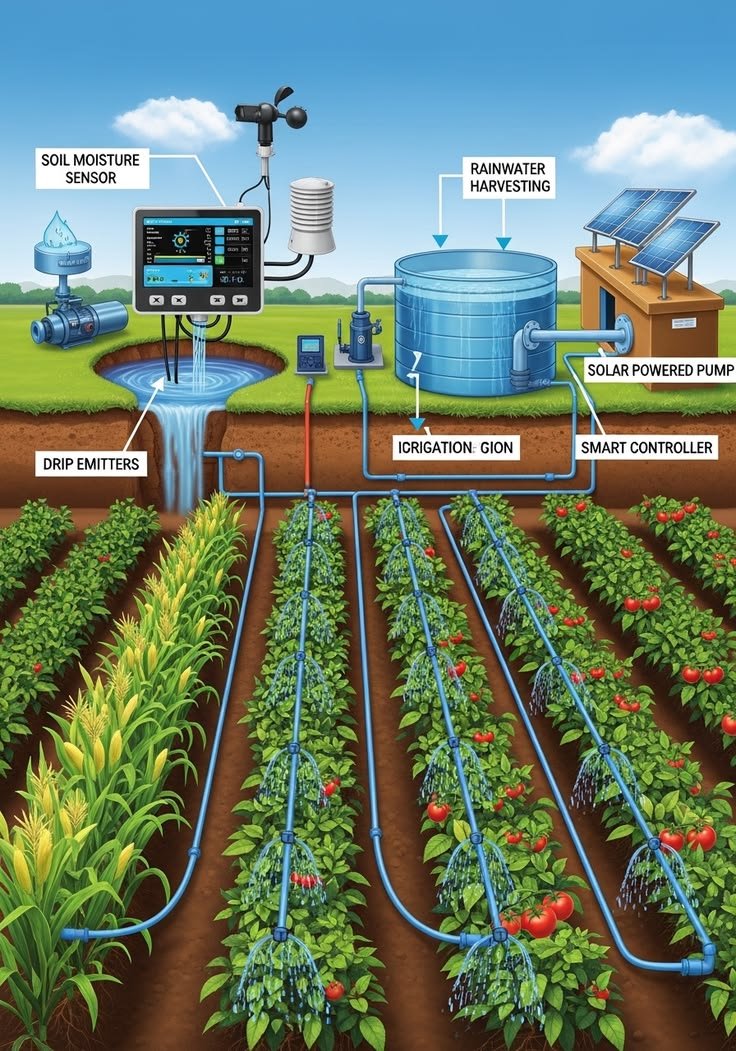
In light of today’s rapid advancements, neglecting water treatment for farms and agricultural projects is no longer an option — why stay silent about the serious damage it causes when excellent, effective solutions are already within reach? The government has recognized the need to follow the lead of developed nations, and specialized water treatment companies for farms and agricultural projects have since entered the market.
Green Life is today one of the leading companies in the field, thanks to the outstanding tools, technologies, and advanced ideas it offers clients to guarantee an ideal final result.
The Importance of Water Treatment in Modern Agricultural Projects
There are many reasons that make water treatment for farms and agricultural projects essential and non-negotiable, in order to avoid catastrophic outcomes that damage the soil and crops. Here are the important details:
- Freshwater cannot remain available to us indefinitely at such abundant flow rates — it could start running dry at any moment due to heavy extraction and rising population density. So why not desalinate seawater or groundwater to secure an additional, virtually endless source?
- Experience has shown that land irrigated with treated water grows faster and more ideally than land irrigated with untreated water — the former has denser growth, a brighter color, and noticeably superior product quality.
- You gain the ability to irrigate your crops consistently all year round, without being at the mercy of environmental conditions such as rainy or dry seasons.
- Treatment is an economical solution that saves you significant costs, helping boost your profit margins — a difference you’ll notice from the very first period.
- You’ll be able to farm even in coastal areas near the sea without fear of losing your crops.
- Treatment is a permanent solution, not limited to any particular period — it will remain effective for decades, serving future generations as well.
Salinity Problems and Their Impact on Agricultural Land
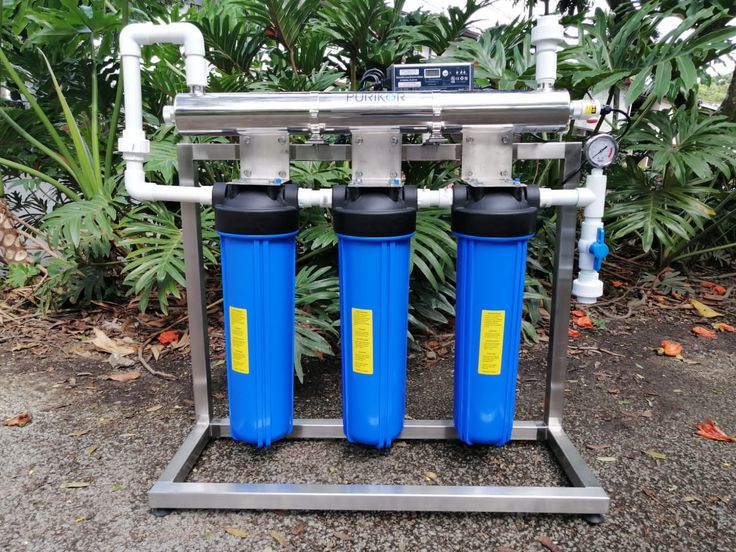
Salinity problems make water treatment for farms and agricultural projects essential. The table below outlines some important details:
| Problem | Impact |
| Increased water evaporation from the soil | One of the leading causes of rising soil salinity isn’t always irrigation with saline water — it can also result from high temperatures causing significant water evaporation from the soil. |
| Growing crops that don’t absorb salinity | If you must grow crops in saline soil or irrigate with untreated or non-fresh water, you should turn to crop varieties that naturally absorb salinity, which helps solve part of the problem. |
| Proximity of agricultural land to seas and oceans | If your land is near the sea and sits at a low elevation, it will be exposed to high salinity levels that cause damage. |
| Heavy use of agricultural fertilizers | Careless, unplanned fertilizer use in the soil leads to salinity levels that are lethal to crops and negatively affect their quality. |
| Saline air masses blowing over surrounding land | Farmland located in areas exposed to strong winds is at risk, as these winds may blow in from the sea carrying high salinity. |
Causes of Rising Salinity in Agricultural Land
Salinity problems are among the most serious challenges facing agriculture in arid and semi-arid regions. Several factors contribute to rising salt levels in agricultural water, including:
● Reliance on saline groundwater.
● Water evaporation due to high temperatures.
● Poor agricultural drainage.
● Excessive fertilizer use.
● Soil damage caused by salinity.
As salts accumulate in the soil, its physical and chemical properties begin to change, leading to soil hardening, poor aeration, reduced water permeability, and declining fertility. In severe cases, the land may become completely unsuitable for farming — which highlights the importance of water treatment for farms and agricultural projects, and the need to use effective treatment systems.
Irrigation Water Cooling and Its Role in Improving Agriculture
Cooling irrigation water is a modern solution proven effective in hot climates, especially during summer. When water with a high temperature is used, plant roots suffer from heat stress, which negatively affects their growth. Cooling the water helps with:
● Reducing heat stress on plants.
● Improving nutrient absorption.
● Reducing water evaporation.
● Promoting root growth.
Cooling water helps maintain soil stability and improve irrigation efficiency, which is why irrigation water should be treated using modern technologies.
Treating Irrigation Water Using Modern Technologies
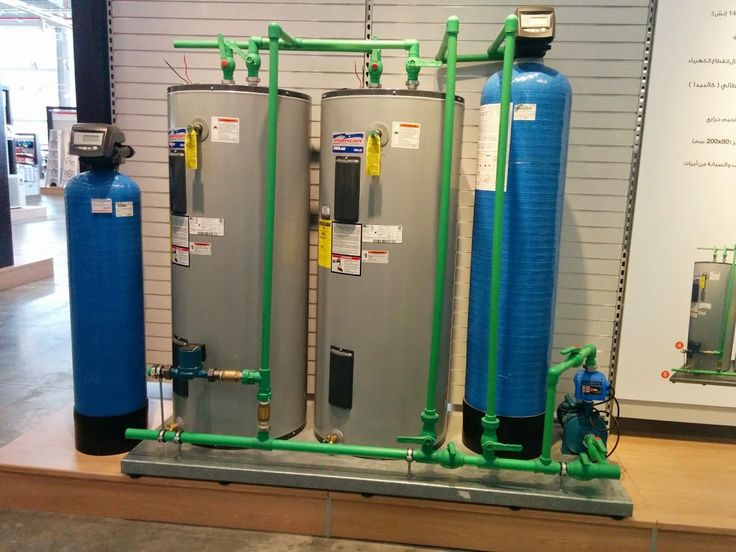
Advances in science have made it possible to treat water for farms and agricultural projects using the most important techniques and methods, and we make sure to select the one best suited to your needs. Below, you’ll find them explained in detail:
Solar-Powered Desalination Units
This method is relied on by those who want desalinated, treated water at a modest cost, given how expensive electricity and energy can make the process otherwise. It’s especially useful in remote areas that are relatively far from public utility services, making it a very suitable water-treatment approach for small farms and agricultural projects that aren’t yet ready to bear high costs.
Reverse Osmosis Treatment
This is one of the oldest methods of water treatment for farms and agricultural projects, and client demand for it hasn’t waned even with the emergence of newer methods. It can handle large volumes of water using high pressure. You can ask a trusted company to install this system to get satisfactory results at reasonable prices.
Electrolysis Tools
These are excellent, effective tools for separating salts from water, but only when salinity levels are moderate or lower — for higher salinity, stronger methods are required. This approach stands out for requiring relatively little energy, and maintenance, if the equipment breaks down, is quick and easy.
Biological Treatment of Agricultural Water
Biological water treatment for farms and agricultural projects has today become one of the eco-friendly solutions that relies heavily on beneficial microorganisms to remove organic pollutants and improve water quality.
This technique stands out for its low operating costs, reduced chemical use, preservation of ecological balance, and long-term improvement of soil fertility.
Membrane Distillation
This method quickly and easily removes large quantities of salt from water without requiring significant amounts of energy, making it well suited for irrigating medium-sized farms and agricultural projects.
Thermal Water Desalination Plants
Their function is to evaporate saline water and then convert the steam back into fresh water. This technique is practical for improving irrigation water quality and overcoming the salinity and impurity problems that affect crop growth.
How to Choose the Right Water Treatment System from Green Life
Choosing the right system depends on several important factors, which Green Life will walk you through:
The Size of the Agricultural Project
Small farms may only need simple solutions such as filters, while large projects require:
Desalination plants, cooling systems, and integrated treatment units.
The Quality of Available Water
Water must be analyzed before selecting the appropriate system for treating water for farms and agricultural projects, in order to determine salinity levels, pH, the presence of heavy metals, and impurity levels.
Water Desalination for Farms as a Sustainable Solution
If you own a farm, you need to look for sustainable solutions that stay with you for the long haul and continue delivering benefits. Here are a few points to clarify this:
- Turning to water desalination means making your soil more distinctive and better suited to a wider variety of crops, without major problems requiring treatment, and without suffering from desertification or drought.
- Plant roots will absorb nutrients more strongly and quickly than if salt were limiting nutrient uptake — which would otherwise leave crops looking less than fully thriving.
- You’ll no longer have to deal with hard, rocky, or clumped soil.
- Fruit and produce will taste better and grow larger.
Reverse Osmosis Systems for Treating Farm Water
Reverse osmosis technology relies on passing water through special membranes to remove salts and impurities. Agricultural desalination applications, meanwhile, rely mainly on pressure to separate salts from water. The most important benefits of reverse osmosis in treating water for farms and agricultural projects include the following:
- Removing a large proportion of salts.
- Improving water quality.
- Reducing soil damage.
- Increasing irrigation efficiency.
- Balancing the cost and benefits of agricultural desalination.
Desalination costs may seem high at first, but they deliver long-term benefits such as increased crop yields, reduced soil losses, sustainable agricultural production, and improved product quality — making it a smart investment for medium and large farms.
Green Life: Your Trusted Partner in Growing Your Farm
When it comes to water quality and the success of your agricultural project, Green Life is not just a water treatment company — it’s your genuine long-term partner, thanks to its expertise in treating water for farms and agricultural projects and providing the latest irrigation water cooling solutions.
Green Life helps you tackle salinity challenges, preserve soil fertility, and improve irrigation quality. With every system custom-designed for your farm’s needs, the company guarantees higher crop performance and a better return on investment. Choose Green Life today, and make water quality the strength that drives your farm toward greater productivity and success, year after year.
Frequently Asked Questions
Does Salinity Affect Crop Productivity?
Absolutely. Its presence generally affects both quantity and quality, and when levels rise beyond reasonable limits, it can kill the crop or drastically lower its quality — resulting in significant losses for you.
What Are the Benefits of Cooling Irrigation Water?
It boosts oxygen availability in plants, keeps roots fresh and thriving, and improves product quality, making it more vibrant.
Is Water Desalination Suitable for Small Farms?
The best type of desalination for any farm, whether small or large, can be discussed with a specialized company that proposes the right mechanisms. Drawing on its extensive experience, it can quickly determine the ideal solution without turning your farm into a testing ground.
How Can Soil Damage Be Reduced?
You can reduce excessive, unplanned plowing, which strips the soil of its beneficial nutrient properties. Avoid using saline water even if your crops can tolerate and coexist with salt — it’s still best to minimize its use. And whenever you feel the situation is getting out of hand, be sure to contact specialists to address the problem in the safest, most effective way, without incurring heavy losses.
Water treatment for farms and agricultural projects is a solution that always brings you benefit — you’ll feel it firsthand with time, especially when comparing your results to others. Thank you, dear reader, for making it this far in the article. If you have any questions, don’t hesitate to reach out to us at the numbers provided. Order your treatment plant now and run your operation the right way.
You can reach us via our WhatsApp number and ask about all the services offered by Green Life.