Water Treatment Company: The Complete Guide to Water Treatment in Egypt 2026
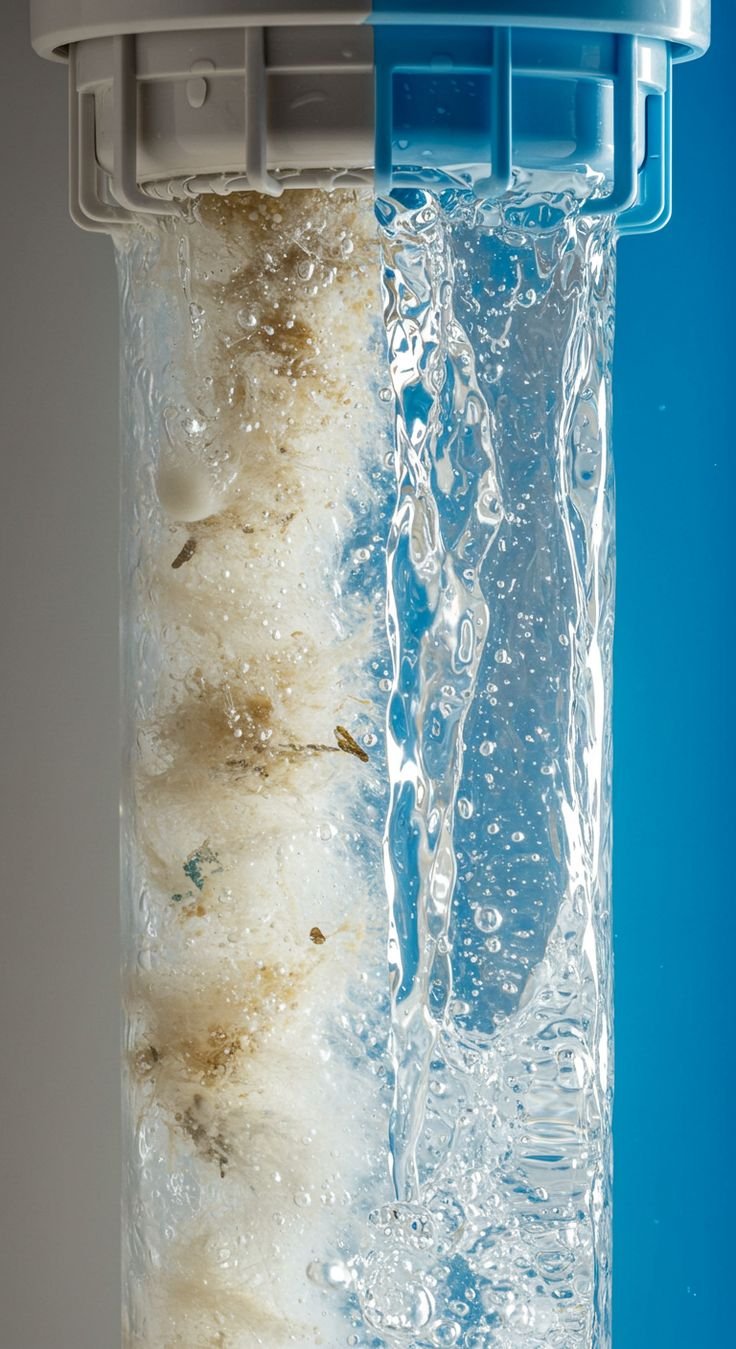
Have you ever wondered why water treatment services in Egypt have become one of the most important investments in recent years? I know well that with the growing problems of water pollution and rising salinity levels in many areas, contracting a water treatment company has become an essential necessity to ensure access to pure, safe water suitable for domestic, agricultural, and industrial use.
In this comprehensive guide, Green Life will walk you through everything you need to know about industrial water treatment systems and water desalination using the latest technologies. Always remember, we are your true partner on the path to success and excellence — earning our clients’ trust is what we strive for.
The Most Common Types of Water Treatment for Homes and Factories
There are several types of water treatment techniques used by water treatment companies in Egypt. These refer to the physical, chemical, biological, and advanced processes that remove impurities and solids, dissolved salts, bacteria and viruses, heavy metals, as well as organic and chemical pollutants, and they include the following:
Physical Treatment
This technique removes solid impurities and sediments using mechanical methods such as sand filters, micro-filtration, sedimentation basins, and activated carbon filters. It includes screening, sedimentation, sand filtration, and multi-media filters, aiming to remove suspended matter and reduce turbidity.
Chemical Treatment
This technique relies on using chemicals in water treatment to eliminate pollutants and heavy metals, such as chlorine, lime, and anti-scaling agents. It is highly effective in industrial water treatment and includes coagulation and flocculation, pH adjustment, disinfection with chlorine or ozone, and the addition of scale inhibitors. The goal is to deactivate microorganisms and remove chemical impurities from the water.
Biological Treatment
Widely used in sewage treatment plants, agricultural treatment, and water recycling, this method relies on aerobic bacteria, anaerobic bacteria, and activated sludge systems. Its goal is to break down organic matter and reduce BOD and COD, and this type of water treatment is an essential part of systems that rely on multiple stages of water purification.
Advanced Water Treatment
This represents the highest levels of water purification and is used in desalination or sensitive industrial applications. It includes reverse osmosis (RO), which removes up to 99% of salts; nanofiltration (NF), which aims to reduce partial salinity and certain organic compounds; ultrafiltration (UF), which aims to remove bacteria and viruses without fully removing salts; and activated carbon, which aims to remove taste, odor, and organic matter.
RO (Reverse Osmosis) Systems for Water Desalination: How Do They Work and What Are Their Key Advantages?
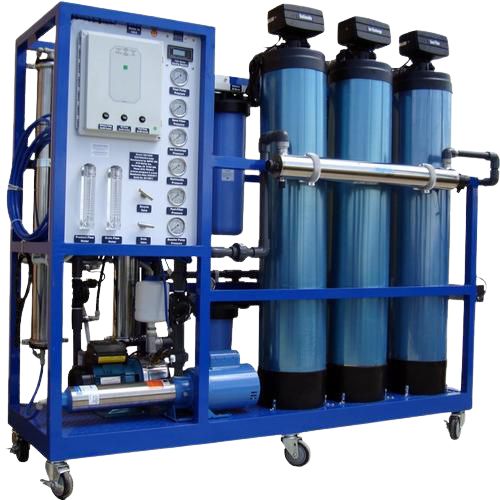
Reverse osmosis (RO) systems are among the most widely used technologies by water treatment companies in Egypt. RO technology works by passing the water to be treated through a semi-permeable membrane to remove dissolved salts, bacteria, heavy metals, and harmful chemicals.
RO systems stand out from other water treatment technologies in that they can remove 99% of impurities, improve water quality and taste, reduce salt levels in water, provide potable water, and reduce equipment breakdowns at the plant.
Thanks to all the advantages mentioned above, many factories, hotels, and homes rely on RO (reverse osmosis) systems for water treatment.
Water Desalination in Egypt: The Ideal Solution for High Salinity
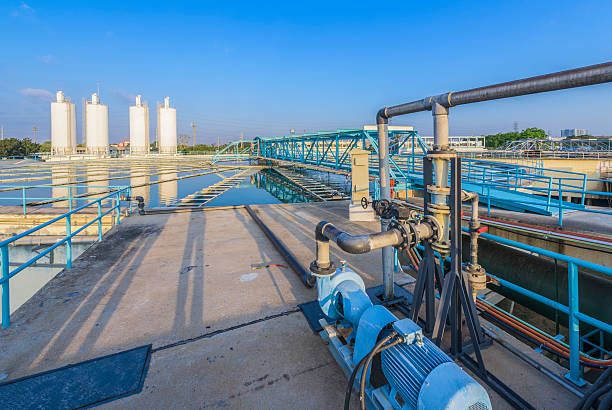
Many coastal areas suffer from high salinity problems and resort to water desalination technologies. If you are facing these problems and looking for the best and most effective desalination solutions and technologies, here are the most well-known desalination techniques used by water treatment companies:
- Reverse Osmosis (RO).
- Thermal distillation.
- Multi-stage desalination.
Desalination plants help with:
- Providing drinking water.
- Supporting industrial projects.
- Meeting the needs of new cities.
- Supporting the tourism sector.
Industrial Water Treatment and Its Role in Improving Factory Efficiency
Factories in Egypt today need advanced and effective systems for industrial water treatment in order to protect production lines and reduce breakdowns. Industrial treatment applications at a water treatment company include the following:
- Boiler water treatment.
- Cooling water treatment.
- Heavy metal removal.
- Factory water recycling.
Green Life, a water treatment company in Egypt, provides the best integrated solutions suited to the food, pharmaceutical, and chemical industries.
The Benefits of Investing in Water Treatment Systems
Investing in water treatment systems is one of the most important and sustainable investments today, especially with the growing demand for clean water in the residential, industrial, and agricultural sectors. Water treatment is not limited to improving water quality alone; it also plays a major role in achieving significant financial benefits and enhancing the efficiency of operations over the long term. Here are the benefits of investing in water treatment systems in detail:
Ensuring Water Quality and Improving Usage Efficiency
Water treatment systems play a major role in removing impurities, sediments, salts, and various pollutants, ensuring water that meets the required specifications. This leads to improved product quality in factories, increased efficiency of irrigation systems on farms, and safe water for human use.
Reducing Operating and Maintenance Costs
When properly treated water is used, limescale and salt buildup inside equipment, pipes, boilers, and cooling towers is reduced, which extends the expected lifespan of the equipment and reduces the need for periodic maintenance or replacement of damaged parts.
Enhancing Environmental Sustainability
Water treatment systems contribute to water reuse and reduce the consumption of natural resources, which supports sustainability efforts and environmental conservation. They also help reduce the discharge of polluted water into the surrounding environment and limit negative impacts on soil and bodies of water.
Increasing Productivity and Improving Performance
In the industrial and agricultural sectors, water quality has a direct impact on production efficiency. Treated water helps improve the performance of production lines, reduce sudden breakdowns, and increase equipment efficiency, which positively affects both the volume and quality of production.
Compliance with Standards and Regulatory Requirements
Many government agencies and regulatory bodies impose strict standards regarding water quality and wastewater disposal. Investing in treatment systems helps ensure compliance with these standards and avoid fines or legal issues.
Achieving Long-Term Return on Investment
Although building a water treatment plant requires a fairly significant investment, it yields major positive results, including reduced water consumption, lower maintenance and energy costs, and improved productivity — all of which make this investment economically worthwhile in the long run.
The Cost of Building and Operating Water Treatment Plants
The cost of building and operating water treatment plants varies depending on several factors, including the plant’s size, the type of water to be treated, the technologies used, and the required production capacity. Therefore, a fixed cost cannot be set for all projects; rather, the cost is calculated based on a comprehensive technical study of the project’s needs. Here are the factors affecting the cost of building a water treatment plant:
- Type of water to be treated: The requirements for treating groundwater differ from well water, saline water, or industrial wastewater, as some sources require additional treatment stages that raise the overall project cost.
- Plant production capacity: The greater the amount of water that needs to be treated daily, the greater the need for larger equipment and more advanced systems, which raises construction costs.
- Technology used: Some plants rely on traditional filtration systems, while others use advanced technologies such as reverse osmosis (RO), ultraviolet light, or ozone systems, and these technologies directly affect the project cost.
- Equipment and material quality: Choosing high-quality pumps, filters, and treatment membranes raises the initial cost, but it helps reduce maintenance and operating costs in the future.
- Installation and infrastructure requirements: Costs include civil construction work, electrical wiring, piping networks, storage tanks, and control and monitoring systems.
- Operating and maintenance costs: Once the plant is operational, there is an ongoing set of operational expenses, including electricity and energy consumption, replacement of filters and reverse osmosis membranes, chemicals used in treatment, labor and technician wages, preventive and periodic maintenance work, and water quality monitoring and laboratory testing.
Cost Factors in Water Treatment Plants in Egypt
The following table details the most important cost factors in water treatment company plants in Egypt:
| Type | Impact on Cost |
| Water type | The higher the pollutant and salt levels, the higher the cost |
| Production capacity | Increased production capacity requires larger, more expensive equipment |
| Treatment technology | Advanced systems such as RO and ozone cost more than traditional systems |
| Equipment quality | High-quality equipment requires a larger investment but lasts longer |
| Periodic maintenance | Necessary to maintain plant efficiency and avoid breakdowns |
| Energy consumption | Represents an essential part of monthly operating costs |
Modern Disinfection Methods to Ensure Healthy, Bacteria-Free Water
The water disinfection stage is one of the most important stages of water treatment, as it is when microorganisms and harmful substances are eliminated. There are several modern methods for water disinfection at a water treatment company in Egypt, and you can choose the method that best suits you and your needs:
Chlorine Disinfection
Chlorine disinfection is one of the most common and widely used methods at water treatment companies, due to its high effectiveness in the water disinfection process, its economical cost, and its strong ability to eliminate bacteria. However, it must be used at precise, well-known dosages to avoid side effects.
Ultraviolet (UV) Disinfection
This technique, used by water treatment companies in Egypt, relies on UV rays that help eliminate microorganisms without adding any chemicals. It is therefore considered very safe for human health and environmentally friendly, does not affect the taste of the water, and is highly effective at eliminating viruses and bacteria.
Ozone Disinfection
Ozone disinfection is considered one of the most powerful modern disinfection methods used by water treatment companies, thanks to its effective role in eliminating pollutants, removing odors, and improving water quality. However, it is particularly recommended for use in the food industry and desalination plants.
Green Life: The Right Water Treatment Company for Your Project
When choosing a water treatment company to design a water treatment plant for your project, there is a set of important criteria the company must meet to ensure the project’s success and sustainability. Key criteria include technical expertise, local knowledge, and the ability to provide ongoing support to the client.
With its strong local presence, Green Life can provide our valued clients with the best water desalination services and meet their specific needs, boosting the chances of long-term operational success. Our company has sufficient expertise and can deliver water desalination services with great skill. Don’t hesitate to reach out to us, and remember well — we are your partner in success and excellence.
Frequently Asked Questions
What is the best water treatment technology?
In most cases, the appropriate water treatment technology depends on the type of water. RO systems are, without question, among the most efficient and widely used solutions and technologies at water treatment companies in Egypt, and are preferred by a large number of people.
Is desalinated water safe to drink?
Yes, when certified systems are used and properly maintained on a regular basis, the water becomes safe for drinking. This is especially important given the scarcity of freshwater sources in some areas, which is why water desalination is considered a sustainable option for meeting residents’ needs.
How much does a water treatment plant cost?
It varies depending on capacity, the type of technology, and the level of contamination. Therefore, before building a water treatment plant, you should consult a specialized water treatment company with experience in this field.
What is the difference between filtration and desalination?
Filtration is a process that relies on removing impurities and sediments from water, while desalination is a process in which water is treated chemically or physically to remove salts and dissolved minerals (such as sodium and magnesium) in order to convert saline water into potable water. In short, we can say that filtration removes impurities, while desalination removes dissolved salts.