Water treatment solutions for industrial sectors in Egypt
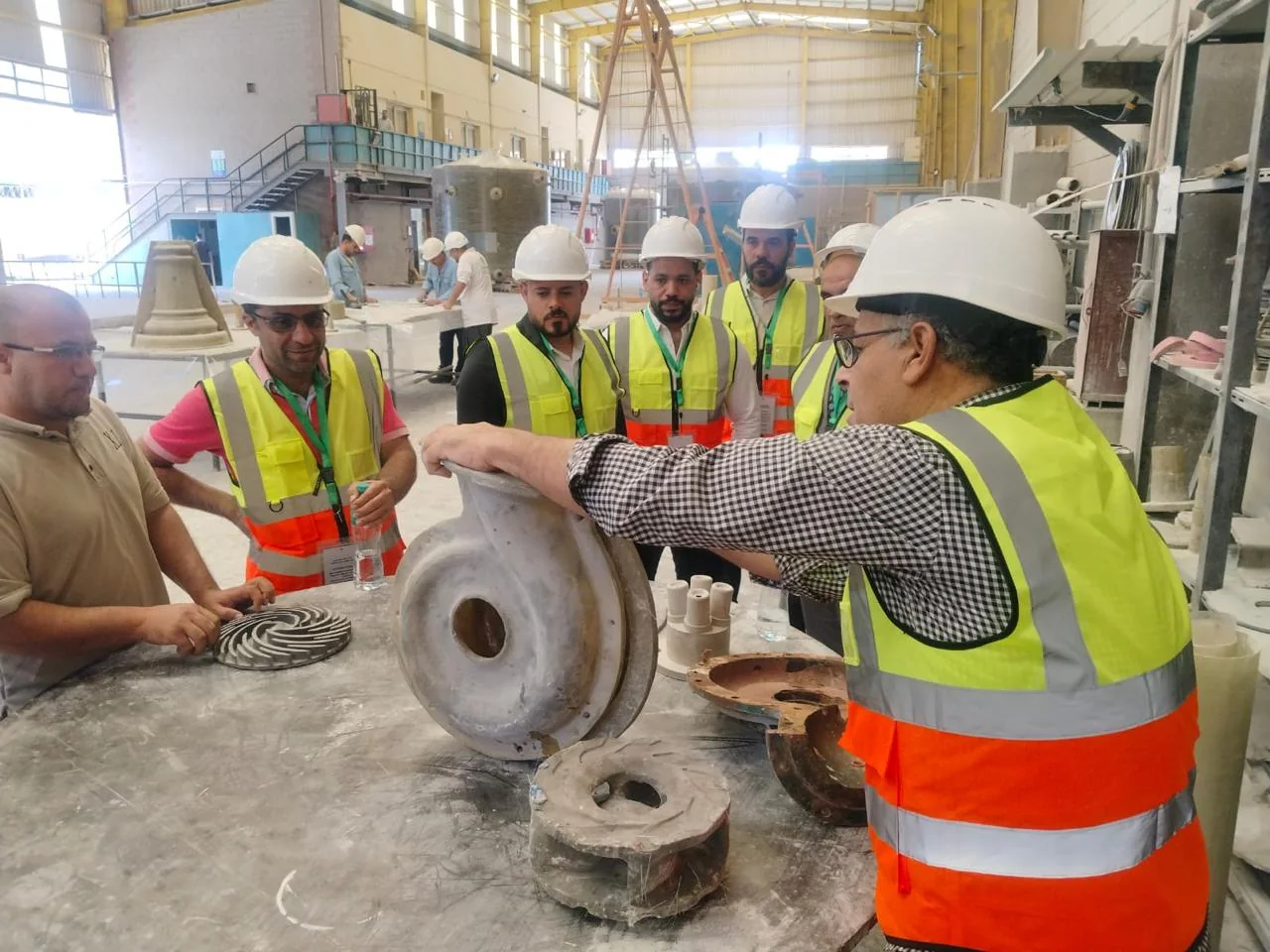
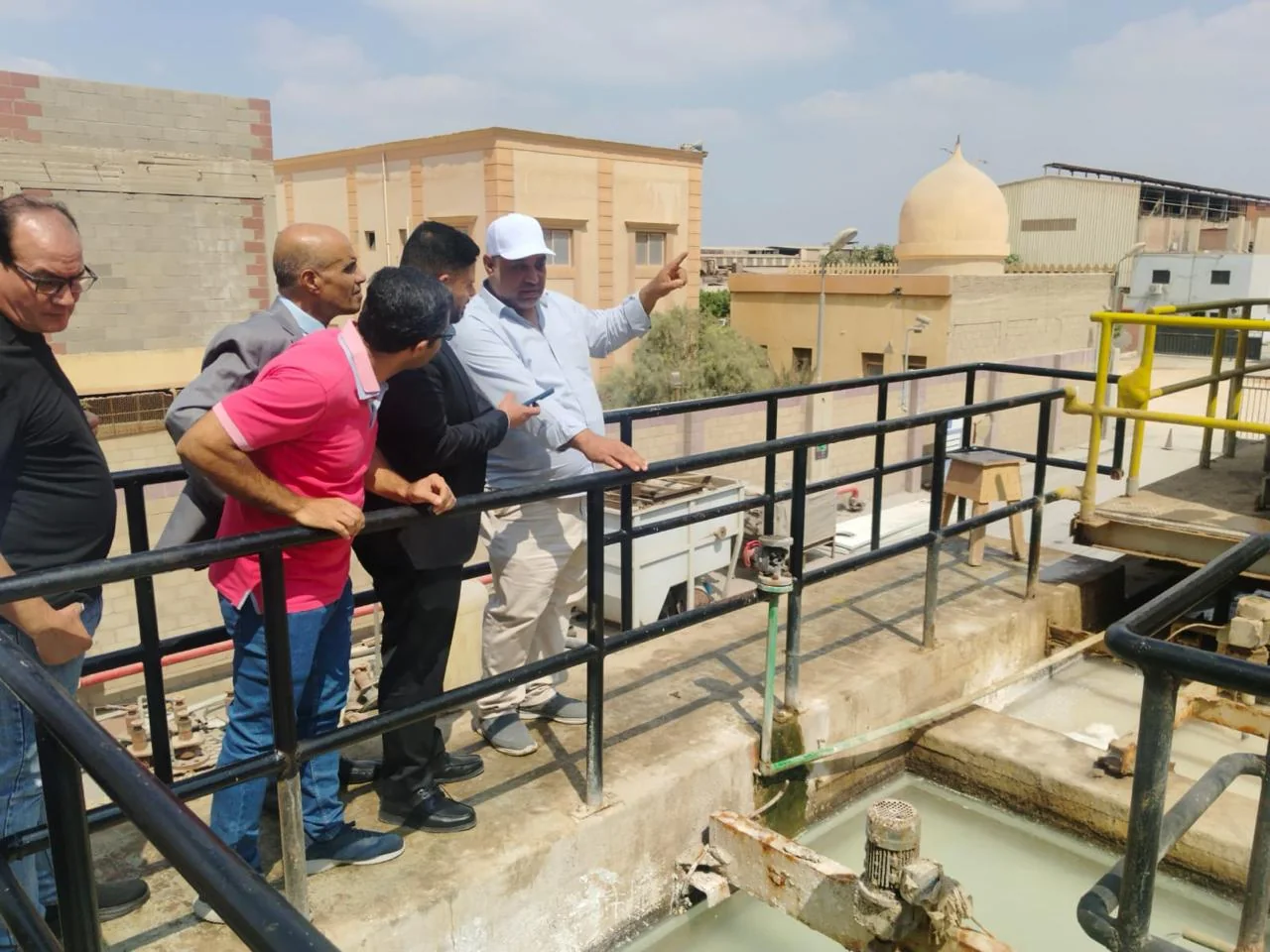
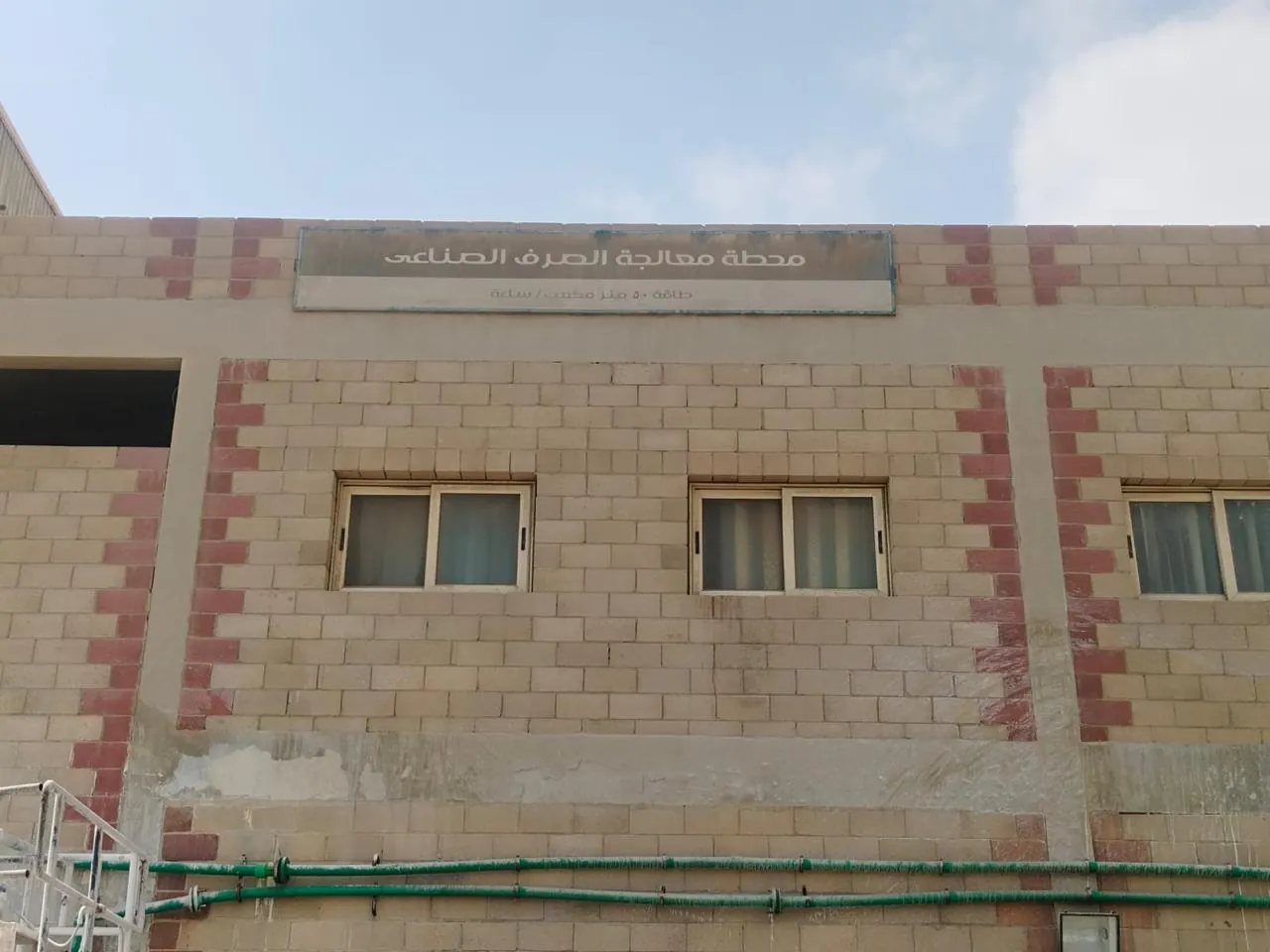
Solutions that connect source water to production line specifications, boilers, cooling systems and industrial wastewater, protecting product quality and operational continuity.

Choose the nature of the project first. The required water quality, loads, risks and operating indicators change with the sector, so the sector center reshapes the experience, content and technical path of each activity.
Solutions that connect source water to production line specifications, boilers, cooling systems and industrial wastewater, protecting product quality and operational continuity.
In the factory, water enters the product, boiler or cooling, and any problem is related to production quality and downtime. On the farm, it is linked to the crop, animal, soil and irrigation network. In the compound, it is linked to Peak demand occupancy, tanks, pressure, and reuse. In the hotel, they become part of the guest experience, protecting sinks, kitchens, rooms and swimming pools.
This is why the structure starts from the sector, then moves to the branch, then to the equipment and services. The user does not read a generic description; Rather, he reaches the challenges of his activity, design indicators, processing line, and appropriate contracting scope for his project inside Egypt.
Each panel has its own optical configuration and the path of its branches; Not a duplicate card within a unified network.

Solutions that connect source water to production line specifications, boilers, cooling systems and industrial wastewater, protecting product quality and operational continuity.

Treatment of well and irrigation water according to salinity, iron, manganese, boron and crop requirements, with practical brine, energy and seasonal-operation management.

Centralized drinking water, utility and greywater reuse systems, designed for Peak demand occupancy, network distribution and ease of operation.

Stable water for guests, kitchens, laundries, swimming pools and service networks, with quiet operation and a design that takes into account the quality of the experience.
Open the entire sector position ↗Branch pages are built around actual business problems: unstable quality, salinity or hardness, clogging and sedimentation, high consumption, frequent downtime, or a goal for water reuse. The page then turns the problem into required data, a processing line, associated equipment, and a clear communication step.
This structure distributes keywords between separate pages instead of repeating the title itself. It links the sector to analysis, cost, maintenance, projects and products, so the visitor moves from the problem to the decision without an isolated page or content repeating itself.
Confirming the source, its change, and the influential indicators instead of basing the presentation on a verbal description.
Link consumption to hours of operation, storage, reserve, and expansion.
A numerical specification for each critical point instead of the general phrase pure water.
Design, supply, installation, civil, testing, training and maintenance chapter.
The sector map is revised as services expand and new applications emerge, maintaining a single page for each major research intent and clear links leading from sector to branch and then to product, project and study request.
A factory water treatment plant differs from a farm, compound, or hotel plant, even when the analysis results are similar. The factory links quality to product consistency, boilers, cooling towers and industrial wastewater, while the farm links water to the crop, soil, irrigation network and season. In the compound, the priority changes to continuity of service, network pressure, and gray water, while the hotel adds comfort, health, appearance, and Peak demand hours. Therefore, this map displays an independent path for each sector and branches linked to its actual applications.
The study begins by inventorying the sources, consumption points, average and instantaneous flows, and the quality required for each point. Loads that require desalination or advanced treatment are then separated from uses for which filtration or sterilization is sufficient, and reuse opportunities, tanks, space, electricity, and drainage are reviewed. This division reduces the amplification of the plant, and prevents the expenditure of energy and chemicals on water that does not require the same degree of treatment.
The output is transformed into a design basis, a phase diagram, an equipment list, work limits, acceptance tests, and an operation and maintenance plan. The specialized pages explain the risks, indicators and products associated with each branch, so that the project owner, consultant and procurement person can compare offers on net production, quality, energy consumption and ease of maintenance, and not on nominal capacity and total price alone.

Submit sector, usage, analysis, capacity and location for us to convert them into reviewable milestones, equipment, indicators and business boundaries.
Request a sector study ↗