Source status
Variation in pH, salinity, and minerals. The load may change during the day or season, so the design must withstand peak demands without constant manual adjustments.
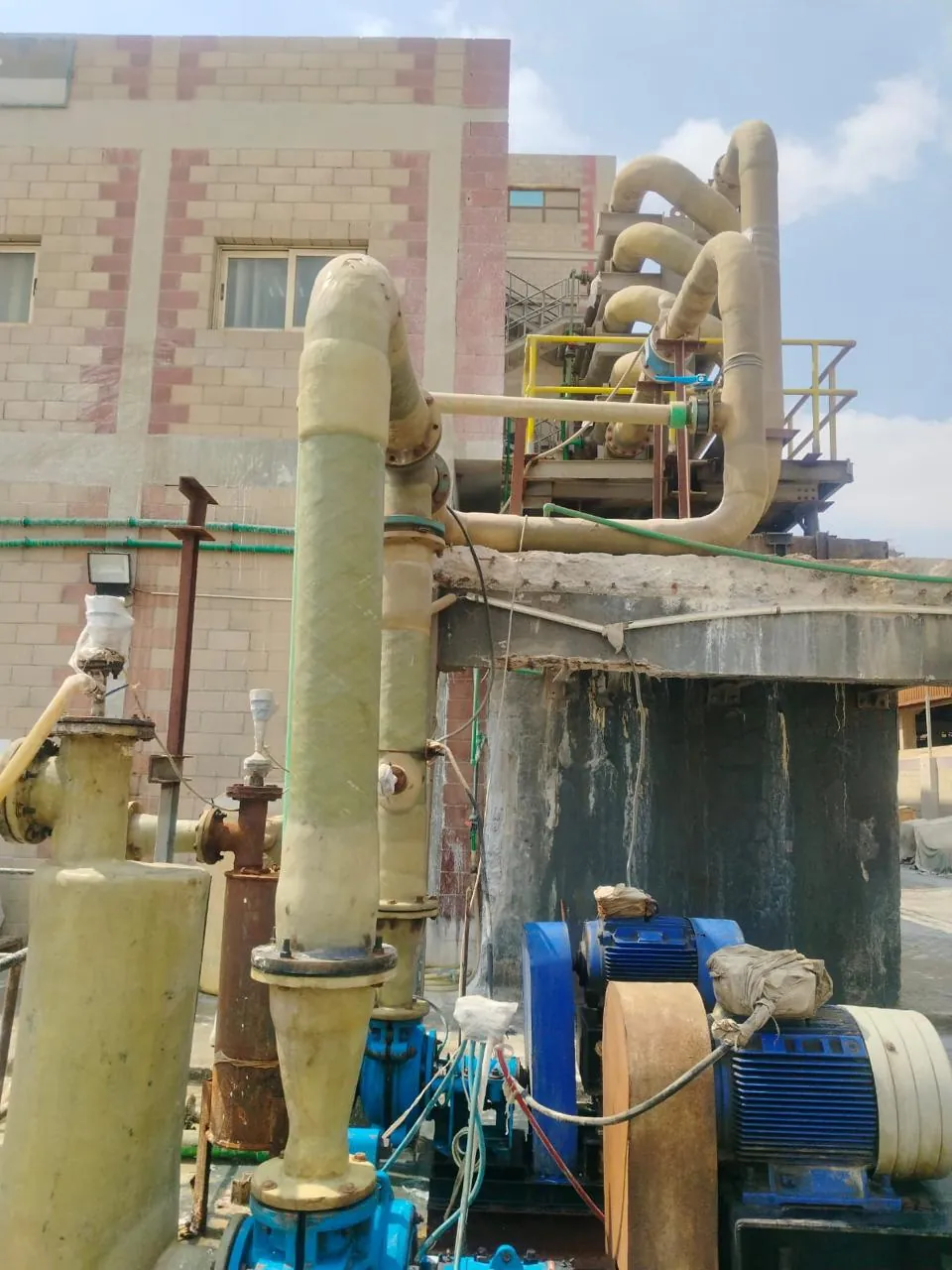
Systems with resistant materials, precise pH balance, dosing and current separation.
Variation in pH, salinity, and minerals
Safe, measurable separation and processing
The plant cannot be selected from the salinity number alone. We determine the points of use, the required quality, the average and instantaneous flow, the number of working hours, and the impact of any downtime on activity. We then review the analysis with the tanks and networks and any blending between different sources or seasonal change in the well or network.
When there are multiple users, we separate the loads and determine which points require advanced treatment and which points require adequate filtration or sterilization. This separation prevents capacity bloating, reduces energy, chemical and water rejects, and allows for a critical point reserve and workable expansion plan.
Variation in pH, salinity, and minerals. The load may change during the day or season, so the design must withstand peak demands without constant manual adjustments.
Safe, measurable separation and processing. The result turns into clear quality, flow and pressure numbers and acceptance limits within the technical offer.
The following panel is decision logic, not a final specification prior to hydraulic analysis and calculations.
Stabilize load, capacity and Peak demand.
Determine the capacity, material, and control according to the previous stage and the final goal.
Determine the capacity, material, and control according to the previous stage and the final goal.
Determine the capacity, material, and control according to the previous stage and the final goal.
Determine the capacity, material, and control according to the previous stage and the final goal.
If the source contains turbidity, iron, or organic matter, pretreatment is designed to protect the primary phase. When using membranes, chemical dosing or biological treatment, sensitivity to shock, stopping and temperature is reviewed. After production, tanks, sterilization and distribution remain part of quality, and the washing, reflux and sludge route must be determined before implementation.
Each indicator has a start and target reading, alarm limits, measurement frequency, and a defined response owner.
The reading is linked to an on or alarm decision, and is documented to compare performance and detect deviation before it turns into a stop.
The reading is linked to an on or alarm decision, and is documented to compare performance and detect deviation before it turns into a stop.
The reading is linked to an on or alarm decision, and is documented to compare performance and detect deviation before it turns into a stop.
The reading is linked to an on or alarm decision, and is documented to compare performance and detect deviation before it turns into a stop.
Measurement is not complete with a screen alone. The sensor point must be representative, its range must be appropriate, and it must be calibrated periodically. The site team receives a record of daily and weekly values with clear limits of intervention, which is the basis for preventive maintenance and determining when to wash, renew or replace.
Each piece of equipment is linked to a separate product file explaining selection and supply criteria.
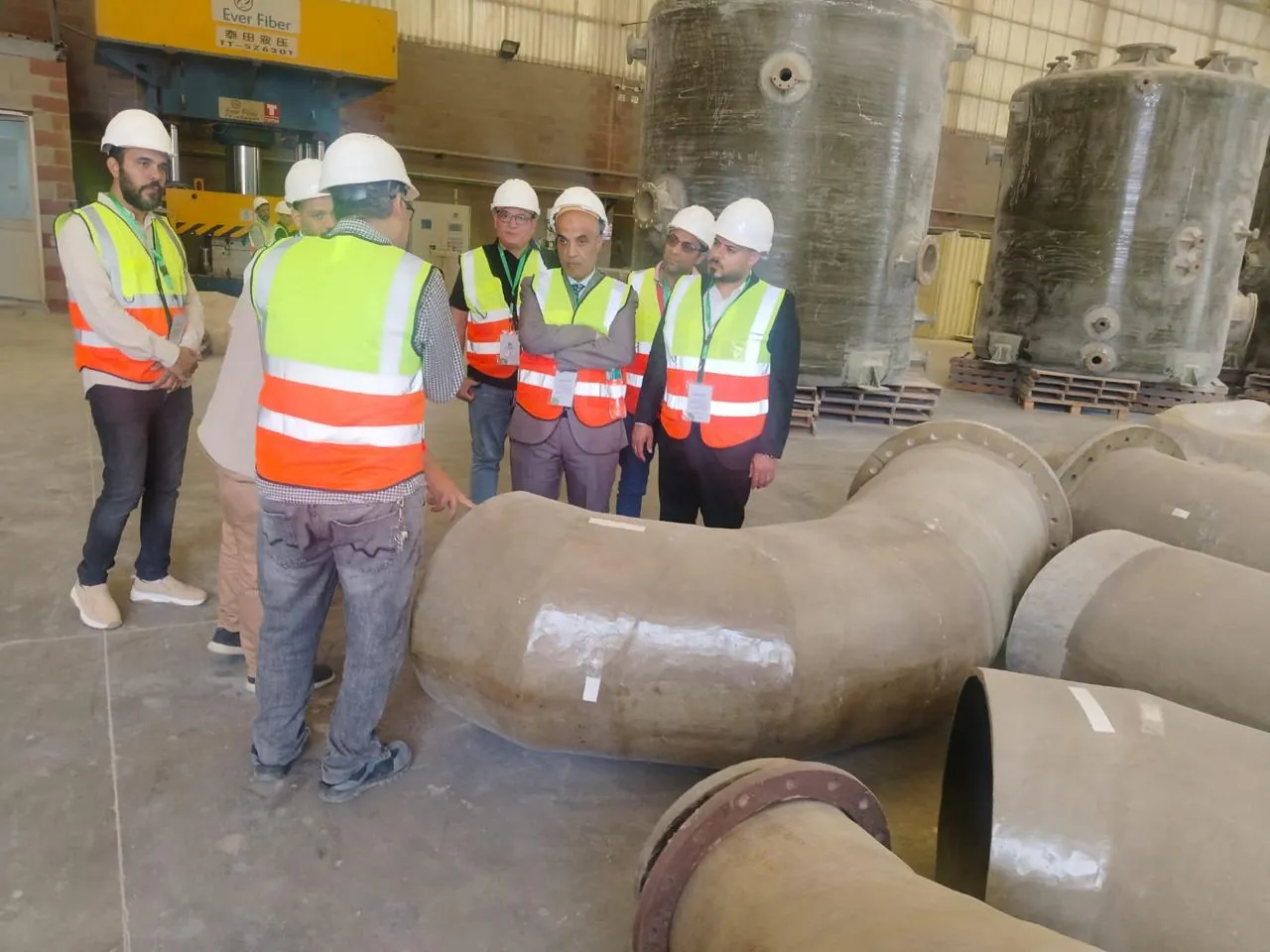 VLV / 05
Valves, connections and piping suitable for pressure, chemicals and water quality, with adjustment of flow direction and isolation and maintenance points.
Open specifications ↗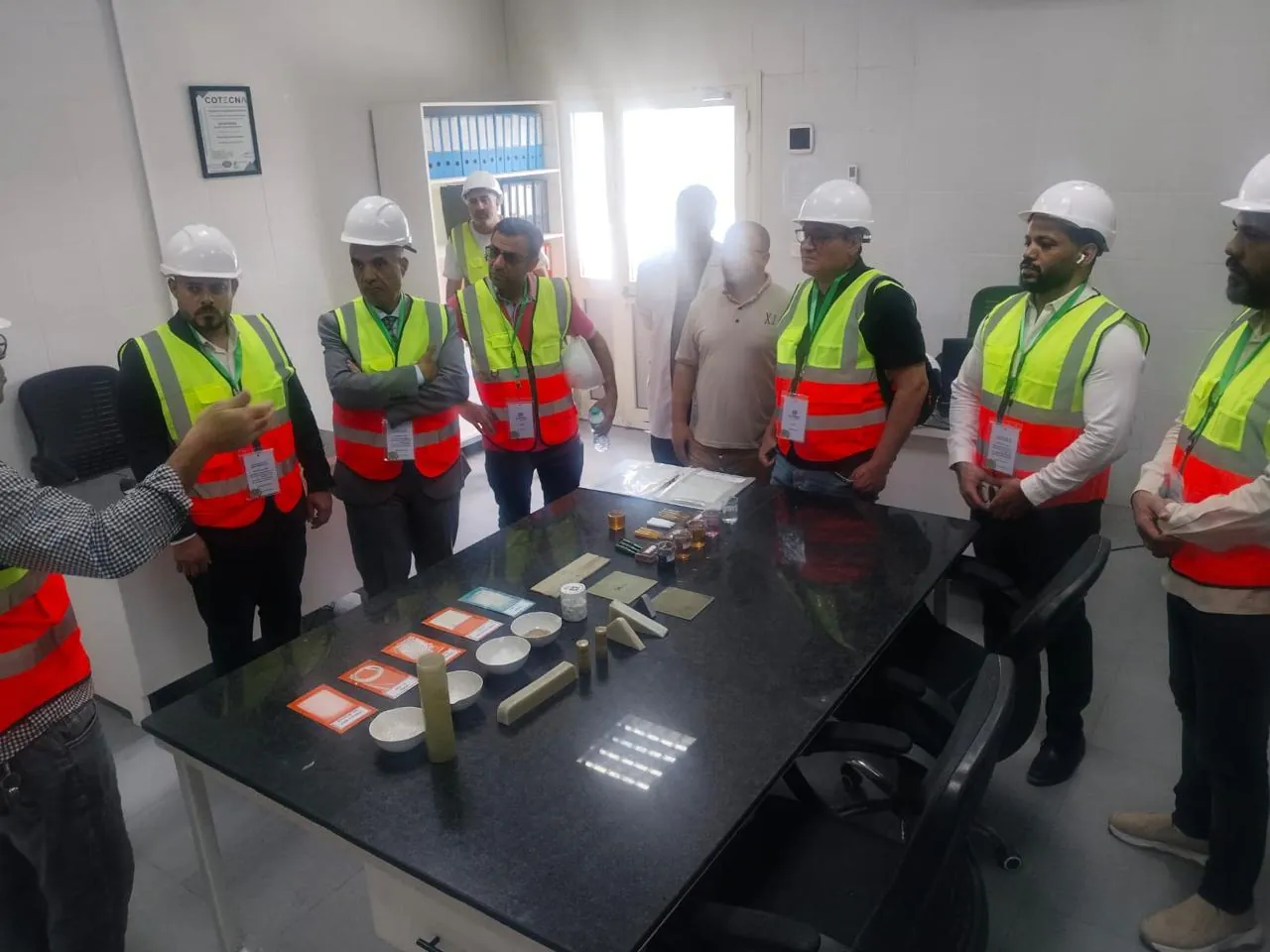 CHM / 09
Treatment chemicals in dosages related to analysis, including antiscalant, cleaning, disinfection, pH adjustment and coagulation.
Open specifications ↗ CTL / 06
Operation, protection, and PLC boards connect sensors, pumps, and valves with clear logic, alarms, and performance logs.
Open specifications ↗ OPERABLE BY DESIGN
Equipment is arranged so that filters can be opened, pumps can be pulled out, filter cartridges can be replaced, and valves and sensors can be accessed safely. Lines and flow direction are labeled, and manual and automatic sequences, stops, power outages and low tank levels are tested.
The operating procedure defines start, stop, dosing, washing, calibration, pressure and quality limits. As for maintenance, it is divided into daily, weekly, monthly, and seasonal tasks, and each task is linked to a spare part, consumable, or performance trend. The plan is reviewed with the hours of activity so that maintenance does not conflict with the peak period.
The technical proposal must link the analysis of the source, net capacity, required quality, treatment stages and proposed models, and indicate the amount of rejected water and the consumption of electricity, chemicals, air or backwash water. The included tanks, pumps, panels, measuring devices and connections, and the civil, electrical and drainage works that are out of scope are also mentioned, so that no gap appears between the price of the plant and the cost of actually operating it on site.
The performance test conditions, duration, measuring instrument, acceptance limits and procedure when they are not met are also specified, and the warranty period is then linked to correct operation and inlet water quality. The delivery includes a process diagram, operation manual, list of consumables, critical spare parts and team training. With this structure, proposals for Chemical factories water treatment can be compared on a measurable result, not merely on equipment count or stated capacity.
Analysis, capacity, quality and assumptions.
Phases, flows, doses, and measurement.
Model, material, pressure and accessories.
Supply, installation, electrical and civil services.
Flow, quality, protections and operation.
Training, warranty, inventory and visits.
The right purchasing decision compares net production, quality, energy, chemicals, losses and maintenance capacity, not total price alone.
Start the project file ↗